
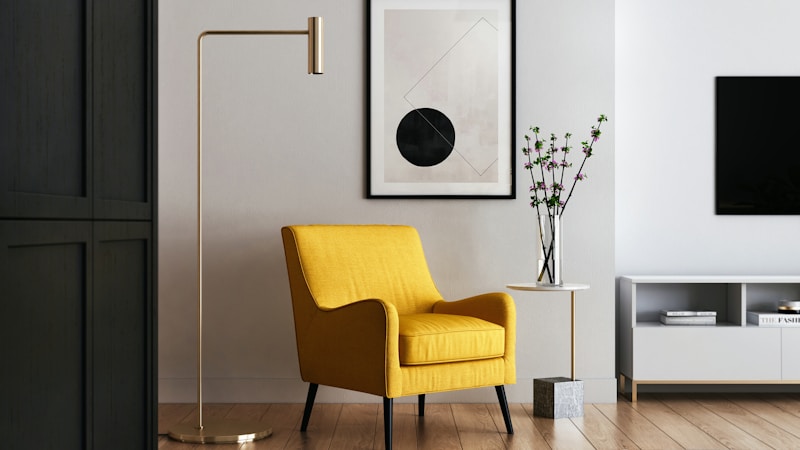
The Rise of Compact Living
Urban apartments are getting smaller, but our expectations for comfort and style keep growing. The solution isn't less furniture — it's smarter furniture.
1. Choose Foldable First
Every piece of furniture should earn its footprint. If it can fold away when not in use, you've just doubled your usable space. Folding chairs, tables, and even beds exist — start with the chairs.
2. Vertical Storage
Walls are underused real estate. Mount shelves high, use wall hooks for folding chairs, and think upward before outward.
3. Multi-Purpose Rooms
A dining room that becomes an office. A living room that hosts guests. Folding furniture makes these transitions seamless — set up in seconds, pack away just as fast.
4. Color & Light
Light colors expand visual space. Mirrors double it. Combine with sleek, minimal furniture like SKINNYZ chairs for an airy feel.
5. Hidden Storage
Look for furniture with built-in storage. The SKINNYZ trolley bag holds 8 chairs and doubles as a side table.
6. Quality Over Quantity
One beautiful folding chair beats three cheap ones. Invest in pieces you'll love looking at every day.
7. The 5-Minute Rule
If furniture takes more than 5 minutes to set up or put away, you won't use it. SKINNYZ chairs open in 3 seconds.
8. The Psychology of Minimalist Flow
When living in a compact environment, your furniture shouldn't just be functional—it should contribute to your mental clarity. Clutter isn’t just physical; it’s visual. A room packed with stationary, bulky furniture acts as a psychological weight. By transitioning to a "fluid" living space, you allow your environment to shift as your needs change throughout the day.
Why Fluid Living Matters
Studies in environmental psychology have shown that our physical surroundings directly influence our productivity and stress levels. In a small apartment, if your kitchen table is permanently cluttered with mail and heavy chairs that are difficult to maneuver, your brain subconsciously registers that as "unfinished business." By choosing ultra-thin furniture that disappears when not in use, you essentially "reset" your room to a neutral state every single day. This simple act of clearing the floor space acts as a visual break for the mind.
9. Mastering the Art of "Ghost Furniture"
The concept of "Ghost Furniture" refers to pieces that, when folded or tucked away, leave virtually no footprint. This is the pinnacle of space-saving design. When you are looking to maximize your apartment, you should evaluate every item based on its "active" vs. "inactive" footprint.
The Math of Your Square Footage
If your apartment is 500 square feet, every square inch represents a significant portion of your rent or mortgage. A stationary wooden chair occupies approximately 4 square feet of space. If you have four of them, that is 16 square feet of dead space—space you pay for but cannot walk across. With SKINNYZ folding chairs, those same four chairs can be tucked into a sliver of space behind a door or inside a closet. You’ve just reclaimed 16 square feet of floor space. Over the course of a year, that is a massive return on investment.
10. Zoning Your Apartment Without Walls
In open-concept studios, the biggest challenge is defining spaces without blocking the flow of light. Traditional room dividers are often bulky and defeat the purpose of an open layout. Instead, use "invisible zoning."
How to Create Zones Effortlessly
- Rug Anchors: Use a rug to define the "living room" zone.
- Dynamic Seating: Use SKINNYZ chairs as "pop-up" office seating that only exists during work hours. Once the laptop closes, the chair folds away, and the dining room reverts to a social space.
- Lighting Cues: Use floor lamps to denote the start of a "reading nook." When the nook isn't in use, the chair vanishes, leaving the area open for morning yoga or stretching.
11. Guest Management: The Art of the Host
Living in a small apartment shouldn't mean you stop hosting. The limitation is usually seating, not floor space. The secret to being a great host in a compact home is having a "deployment strategy."
The 10-Guest Challenge
Imagine a Tuesday evening dinner for two. Now, imagine a Saturday night gathering for ten. Most people avoid the latter because they don't want permanent furniture sitting in their way all week. When you have a stack of high-quality, ultra-thin folding chairs hidden in a slim trolley, your apartment transforms from a sanctuary to a party venue in minutes. Guests appreciate a host who values their comfort, and with SKINNYZ, they won't be stuck on a wobbly, cheap plastic folding chair. They’ll be seated in ergonomic, modern comfort that enhances the aesthetic of your home.
12. Curating a "Folding" Aesthetic
There is a common misconception that folding furniture looks cheap or institutional. This was true for decades, but modern design has changed the narrative. You don't have to sacrifice style for utility.
The Three Pillars of Modern Folding Design:
- Material Integrity: Look for aerospace-grade aluminum or high-quality composites. SKINNYZ leverages these materials to keep chairs light enough to carry with one hand but strong enough to support daily use.
- Structural Minimalism: If a chair is meant to fold, its design should reflect that. The hinges should be hidden, and the profile when folded should be near-zero.
- Color Palette Harmony: Choose chairs that match your wall color or neutral tones to make them feel like a permanent part of the design even when they aren't in use.
13. The Maintenance of a Clutter-Free Life
Maintaining a small apartment requires discipline, but it should never feel like a chore. The reason many people fail at organization is that the "put away" process is too complicated. If you have to move a heavy rug, push a heavy table, and fold a complex mechanism just to clear your floor, you won't do it.
Why Efficiency Breeds Order
- The 3-Second Deployment: When a chair takes three seconds to open, you aren't deterred from using it.
- The "One-Touch" Rule: If you can go from "sitting" to "stowed" in a single motion, your apartment will stay tidy by default.
- The Hidden Storage Strategy: Always ensure your folding furniture has a dedicated "home." Whether it's a dedicated closet hook or a sleek trolley tucked into a corner, having a specific place for your folded items is the final step in a stress-free home.
14. Ergonomics in Compact Settings
A common design oversight in small apartments is the trade-off between ergonomics and size. Many "space-saving" chairs are uncomfortable, which defeats the purpose. If you work from home, you spend hours sitting. Your furniture must support your posture, even if it folds.
Finding the Balance
Look for chairs with a contoured backrest and a seat height that aligns with standard table dimensions. The SKINNYZ folding chair is engineered specifically to provide the lumbar support of a fixed chair while maintaining its ultra-thin profile. When buying furniture for a small space, always prioritize your physical health—you spend more time in your chair than you do in your bed!
15. The Future of Apartment Living: Technology and Adaptability
As we look toward the future of urban density, the "smart" apartment is becoming a reality. This isn't just about automated lights or smart locks; it’s about modularity. Our homes are evolving to support a hybrid lifestyle—the "work-from-home-from-anywhere" model.
The Modular Evolution
Modular living is about having a home that evolves as you go through your day. You need a setup that is as flexible as your schedule. By choosing modular, foldable components, you are future-proofing your apartment. Should you move to a larger or smaller space in the future, your SKINNYZ furniture remains versatile, fitting into any floor plan without being tethered to a specific layout.
16. Sustainable Compact Design
Sustainability is a critical aspect of modern interior design. In a world of disposable "fast furniture," investing in high-quality, durable pieces is an act of environmental responsibility.
Why Quality Foldables are Eco-Friendly
- Longevity: A high-quality folding chair made from premium materials can last for decades.
- Material Efficiency: Producing one ultra-thin chair uses fewer resources than a standard, bulky office chair.
- Space Optimization: When your furniture is efficient, your apartment is efficient. You don't need a larger house if you optimize the space you have, which is the ultimate form of sustainability.
17. The Visual Weight Analysis: A Designer’s Secret
Designers often talk about "visual weight." This is the perceived heaviness of an object based on its color, size, and shape. A dark, solid wooden chair feels much "heavier" in a small room than a sleek, minimalist SKINNYZ folding chair, even if they occupy the same physical space.
Tips for Reducing Visual Weight:
- Leg Profiles: Choose furniture with slender legs to allow the eye to see the floor underneath, which creates an illusion of more space.
- Transparency: When possible, mix in materials like acrylic or glass to keep the sightlines open.
- Strategic Folding: If you aren't using your chairs, store them. The most effective way to reduce visual weight is to remove the object from the line of sight entirely.
18. Integrating Tech: Power and Connectivity
In a small apartment, cords can easily become a tangled mess. When you are reconfiguring your space with folding furniture, consider how your electronics fit into the flow.
Cable Management Hacks for Small Spaces:
- The "Power Strip" Hub: Mount power strips under your desk or table to keep cords off the floor.
- Wireless Flexibility: Wherever possible, use wireless peripherals so you can move your workspace from the desk to the coffee table and back without a mess of cables.
- Clean Transitions: Because SKINNYZ chairs have a minimal profile, they don't snag on cords when you open or close them, making your transition from work to leisure much safer and cleaner.
19. Lighting: The Invisible Decorator
Lighting can make or break a small space. In a tight apartment, you need a mix of ambient, task, and accent lighting.
Layering Light in Small Rooms:
- Ambient: Ceiling or overhead light to set the general mood.
- Task: Focused light for your work-from-home area.
- Accent: Soft, warm light in the corners to draw the eye outward, making the walls feel further apart.
- The Reflection Trick: Place a mirror opposite a window or a stylish light fixture to bounce light around the room, making it feel brighter and airier. When you have a clean, floor-clear space, the light travels further, making your apartment feel like a gallery rather than a storage unit.
20. Designing for Transitions: The "Midnight" Shift
Consider how your space changes at night. You want your apartment to feel like a calm, uncluttered bedroom. If your floor is covered in bulky furniture, you’ll feel cramped even when you’re trying to relax.
Tips for an Evening Reset:
- Clear the Path: Always fold away your work chairs before going to bed. The act of folding away your SKINNYZ chair signals to your brain that the workday is officially over.
- Decluttering the Surface: Keep side tables clear of everything except essentials.
- Soft Textures: Use textiles—a throw blanket or a plush rug—to soften the space. Even in a minimalist, modern apartment, these textures provide the "coziness" we all crave.
21. Choosing Your Furniture Palette
Consistency is key to making a small space look larger. If you have too many different materials or styles, the room will look chaotic.
The Uniform Look:
- Limit your palette: Choose two to three main materials (e.g., matte metal, light wood, and neutral fabric).
- Match your furniture to your walls: If you have white walls, choosing light-toned or white-framed folding chairs will help them "blend in" with the walls when they are standing, and practically disappear when they are tucked away.
- The SKINNYZ Advantage: With our design-focused aesthetic, our chairs serve as a statement piece when in use and a background element when you're just living your life.
22. Frequently Asked Questions about Small Space Living
"Will folding chairs really make that much of a difference?"
Absolutely. Most people underestimate how much of their floor space is taken up by stationary seating. If you have 4–6 chairs, you are likely sacrificing nearly 20 square feet of usable room. Reclaiming that space transforms your apartment’s functionality.
"Are folding chairs really comfortable enough for daily use?"
In the past, folding chairs were strictly for emergency seating. Today, that’s not the case. SKINNYZ chairs are designed for ergonomics. They support your posture, are sized for actual adults, and are intended to be used every day, not just tucked away for guests.
"How do I store folding chairs without it looking messy?"
The key is to give them a designated spot. Don't just lean them against a wall. Use a wall-mounted hook or a dedicated storage trolley. If you store them neatly, they don't look like clutter; they look like a deliberate, sophisticated design choice.
23. Conclusion: The Freedom of Space
Living small doesn’t mean you have to settle for less. It means you have the opportunity to curate your life with intention. When you remove the clutter and choose high-quality, multifunctional pieces like SKINNYZ chairs, you aren't just saving square footage—you are creating a home that supports your lifestyle rather than dictating it.
The goal of interior design in a small apartment is to make it feel like a sanctuary. By embracing the principles of vertical storage, color psychology, and, most importantly, the freedom of folding furniture, you can turn any apartment into a spacious, stylish retreat. Start small, rethink your furniture footprint, and watch how quickly your living space expands. Your apartment should be a reflection of your best self—uncluttered, efficient, and beautifully designed. Choose furniture that earns its place, and let your home breathe again.


